
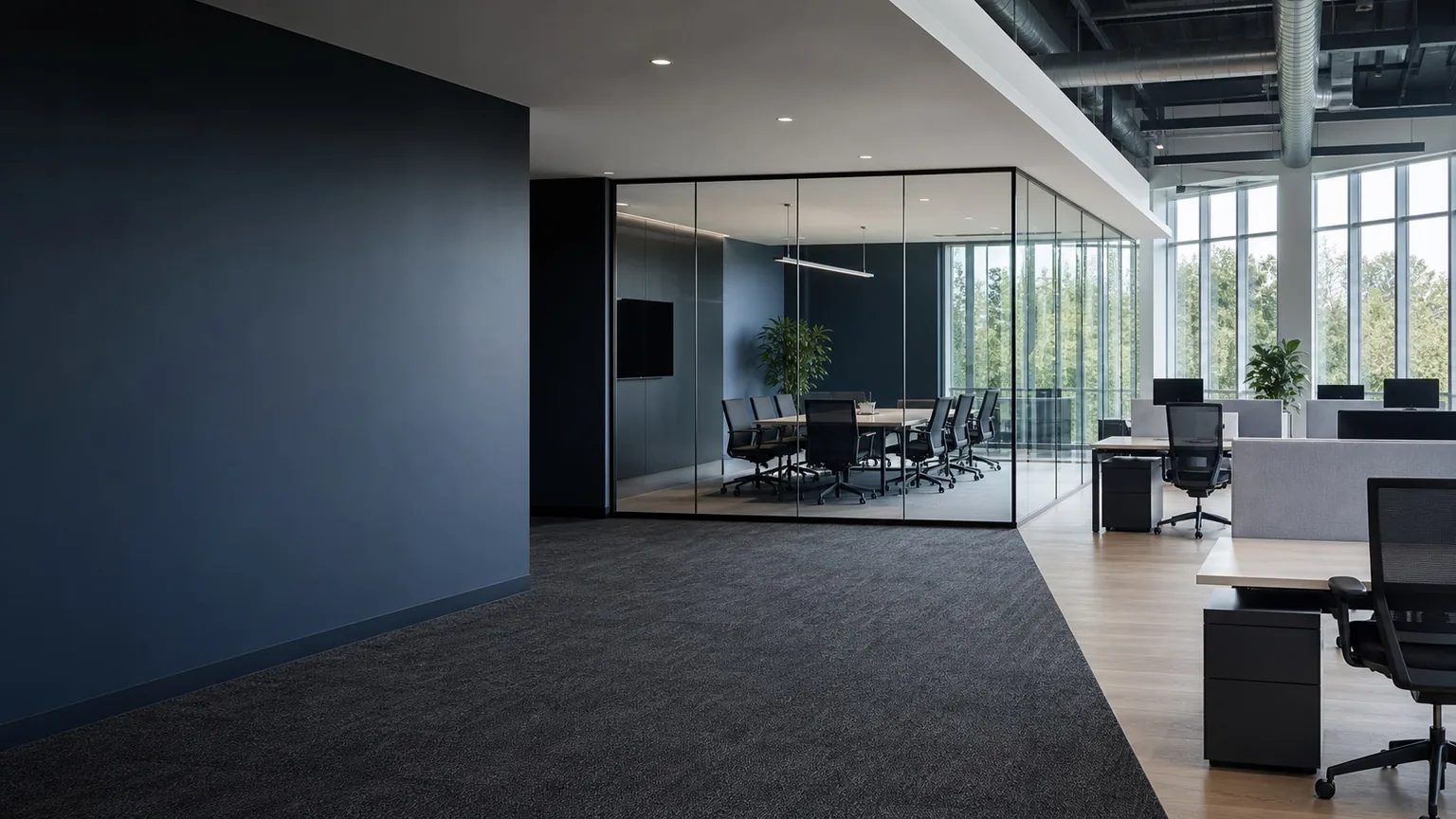
Commercial Carpet Cleaning in Napa
Commercial carpet cleaning lifts the soil and spots that build up in Napa’s carpeted business rooms, with hot water extraction reaching the grit that routine vacuuming leaves behind.
Extraction for carpeted interiors
Office rooms, corridors and hospitality interiors get hot water extraction, with the method chosen for each carpet’s fibers and construction.
Spot treatment for individual marks
Spot treatment lifts individual marks, from spilled wine to a coffee ring, between full cleanings.
Dry before the room fills again
Extraction is booked for a weekend or another quiet stretch, so the carpet has time to dry before guests and staff return.
Carpet care between guests
Carpeted corridors, meeting rooms and offices show traffic first along the main walking paths and at doorways. Periodic hot water extraction treats the deeper soil that routine vacuuming does not reach, and spot treatment takes care of individual marks in the weeks between full cleanings.
For hotels and venues, the best window is a quieter stretch between events, so the carpet can dry before the next group arrives; offices often choose a weekend. Extraction is booked as its own visit and sits comfortably alongside recurring janitorial service and hotel cleaning.
What happens during an extraction visit
An extraction visit begins with the carpet itself. We look at the fiber, the backing and the pattern of soiling, then find where the heaviest traffic has packed dirt into the pile. Doorways, the area in front of reception counters and the lanes between desks or banquet tables usually come first.
Hot water extraction flushes that embedded soil and draws it back out of the carpet, lifting the dull, flattened look that vacuuming alone leaves behind. Spot treatment then works on individual marks such as coffee, wine or tracked-in mud, so the room reads as evenly clean rather than clean in patches.
Matching frequency to foot traffic
A hotel corridor that carries luggage and guests every day wears very differently from a private office used by one person. The busiest carpet in a property needs extraction more often, while lightly used rooms hold their appearance longer between visits.
A practical approach is to group the carpet by use. Main corridors, lobbies and meeting or banquet rooms go on the shorter cycle, and offices or quieter suites go on the longer one. Between extractions, routine janitorial vacuuming keeps loose grit from settling into the fibers, and spot treatment catches accidents before they set.
Carpet within a wider floor plan
Few Napa properties are carpeted wall to wall. A tasting room might pair a carpeted lounge with a tile bar area, and a hotel might run carpet down its corridors while the lobby is stone. Carpet cleaning looks after the soft surfaces, and hard floor care covers scrubbing, stripping and waxing, burnishing and stone care on the rest.
Booking both for the same quiet stretch keeps disruption to a single window and leaves the carpet the longest possible drying time before the rooms reopen to guests or staff.
Preparing a room for extraction
A little preparation makes extraction quicker and more thorough. Small items left on the floor, such as bins, cables and boxes, are best cleared before the visit so the whole carpet area can be reached.
Let us know about heavy furniture that stays in place, the rooms that must reopen first and the marks that concern you most. Those details set the order of work, so the rooms you need back soonest are extracted early and get the most time to dry.
Pricing carpet extraction for Napa rooms and corridors
Hot water extraction in Napa is charged per square foot of carpet, each time the crew cleans. Published 2026 market rates put most commercial rooms between $0.21 and $0.43 a square foot per cleaning, and a lightly used office with open floor and few spots begins near $0.13.
Consider a boutique hotel with 6,500 square feet of corridor, meeting-room and banquet carpet, extracted once each season. At the typical rate, each visit comes to roughly $1,365 to $2,795, so four seasonal cleanings place the year between about $5,460 and $11,180. Spot treatment between those visits keeps the walking paths presentable without booking another full extraction.
Several details move the figure. Heavy soil at entries and along banquet aisles takes more passes, and wine, coffee and food stains call for more spot work than ordinary office soil. Furniture that has to be moved, stairs, and edges cut around fixed seating slow the crew. A quiet window between events or a weekend booking gives the carpet time to dry before the next group, while a short-notice visit ahead of a busy weekend costs more. Large open floors on a regular calendar sit toward the lower end, and stained, high-traffic carpet climbs toward $0.68. Our guide to Napa cleaning costs sets carpet beside floor, porter and nightly rates.
A few useful answers
Common questions.
Can periodic extraction accompany recurring janitorial visits?
Yes. Extraction is booked as its own visit, and your regular crew keeps vacuuming in between.
Can carpet extraction be scheduled between hotel events?
Yes. Extraction can be booked for quieter windows so carpet dries before the next event, and event cleaning handles the room before and after each booking.
Do you clean hotel corridor carpet?
Yes. Hotel corridors and meeting rooms go on a seasonal extraction cycle, booked between events.
Which method does your carpet cleaning use?
Hot water extraction, with the approach chosen for each carpet’s fibers and construction.
What should I tell you when requesting carpet cleaning?
Share which rooms and corridors are carpeted, roughly how busy each one is, and the days the space is quiet. That lets the extraction be timed for the longest drying window.
Is carpet cleaning available for Napa wineries and tasting rooms?
Yes. Carpeted tasting lounges, winery offices and event rooms are extracted with hot water, on their own visit or as part of winery and brewery cleaning, and individual marks get their own attention.
How do you handle a spill between scheduled extractions?
Spot treatment can be booked for individual marks, so a spill never has to wait for the next full extraction.
Resources
Related guides
Industries