
Industries
Apartment Community and HOA Cleaning in Napa
Leasing offices, clubhouses, mailrooms, breezeways and pool restrooms at Napa apartment communities and homeowner associations, cleaned for residents and the prospects touring them.
Printable checklist
Shared spaces in Napa’s residential communities
Napa’s rental and association housing takes a few familiar forms. Garden-style complexes, built around outdoor stairways and open breezeways, line the city’s main corridors, townhome and condominium associations fill the residential neighborhoods, and newer buildings closer to downtown put apartments above ground-floor shops. Every one of them has rooms and grounds that belong to everyone and no one in particular, which is why they need someone assigned to them.
Napa Janitorial cleans the shared side of an apartment community or association: the paths residents use every day and the amenities that rent or dues pay for. Office buildings and medical complexes have their own page under property management cleaning.
The leasing office and clubhouse
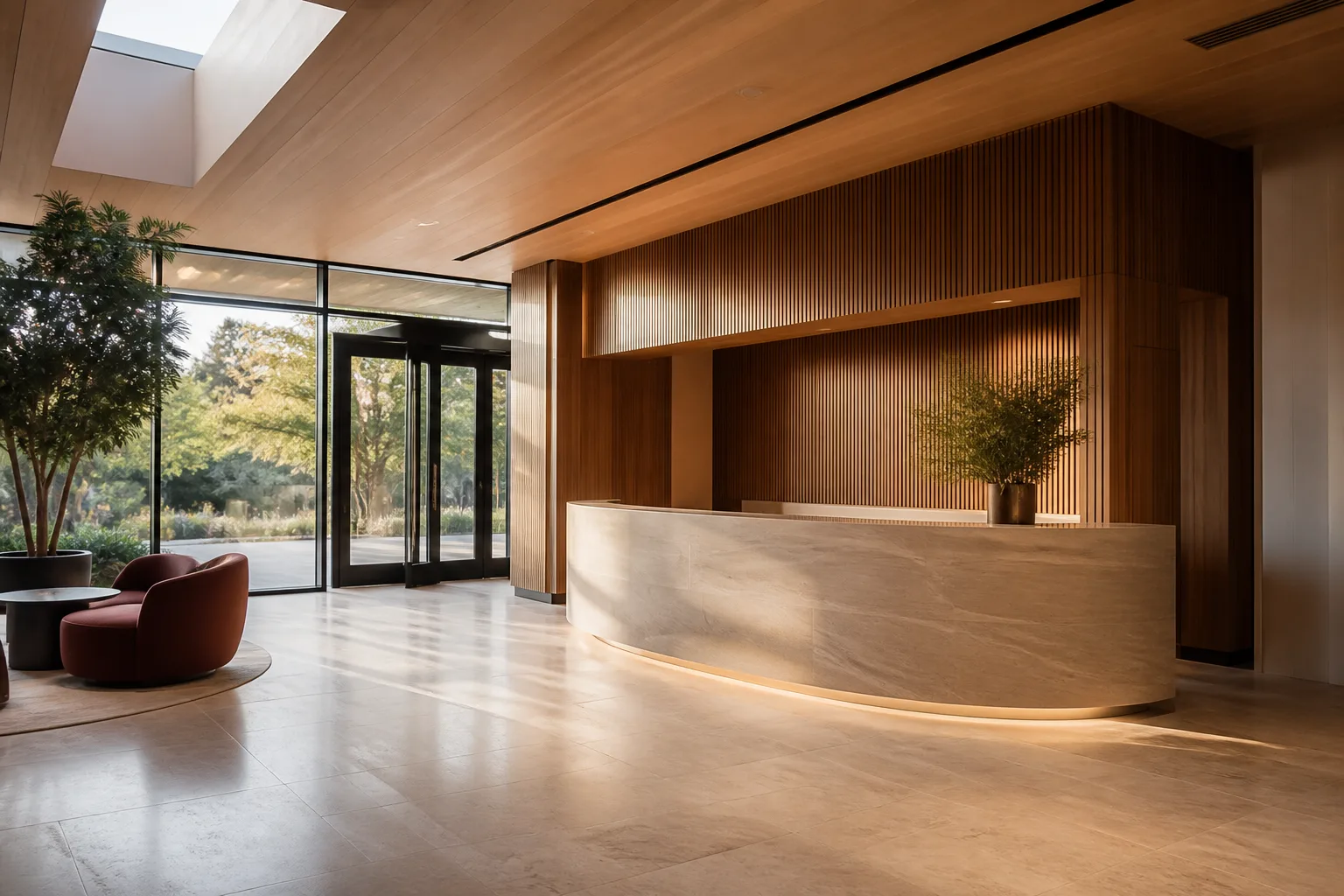
Prospective residents decide a lot before they ever see a unit. In the leasing office, the front glass, desk, brochure stand and seating are cleaned, and the restroom beside it is scrubbed and restocked. Model units are dusted and their floors refreshed so each tour begins in a room that looks cared for.
Clubhouses see a different kind of use: birthday parties, board meetings, game nights and residents working on laptops. Kitchen counters and the sink are cleaned, appliance fronts get a wipe, upholstered furniture is vacuumed and the floors are mopped or vacuumed. In a community fitness room, machines, benches and mats are wiped down using the same routine we follow in a gym or fitness center.
Mailrooms, breezeways and stairs
Mailbox banks and package rooms see residents all day long. Mailbox fronts, parcel locker doors and sorting counters are wiped, and discarded flyers and empty boxes are cleared out. In larger buildings, interior hallways are vacuumed past each row of doors, and elevator cabs have their panels, rails and floors cleaned.
In garden-style buildings, most of the shared space is outdoors. Breezeways and stair landings are swept, handrails are wiped, cobwebs are brushed from light fixtures and corners, and leaves and litter are cleared from the walk to each front door. Residents notice these small things every time they come home.
Pool restrooms, laundry rooms and trash enclosures
Pool restrooms and showers are cleaned and disinfected, and soap, paper and liners are refilled from our stock or the property’s. In shared laundry rooms, washer and dryer tops are wiped, lint and spilled detergent are cleaned up, and folding tables and floors are left clean.
Trash and recycling enclosures are where a property’s appearance slips fastest. Loose debris around the bins is collected, enclosure gates are wiped and the pad is swept. Pool decks, walkways and enclosure floors can go on a set washing calendar through commercial pressure washing, with crews planning water use and keeping nearby storm drains protected.
Turning vacant units between residents
Once a resident moves out, the unit has to be ready before the next lease begins. A turn clean works through the kitchen from top to bottom, inside the oven, refrigerator, cabinets and drawers, and through the bathroom fixtures, tub surround, mirror and vanity. Blinds, window sills, baseboards, light fixtures, doors and switch plates are wiped in every room.
Bedroom and living-room carpet goes through commercial carpet cleaning with hot water extraction, and vinyl plank or tile floors are scrubbed. The turn can follow the painters and repair crew, so the unit is clean on the day the leasing team hands over keys.
Porter hours, inspections and board paperwork
Between regular visits, porter hours can be scheduled for the days your amenities see the most use, picking up litter, refreshing pool and clubhouse restrooms and resetting amenity rooms after residents leave them.
Quality inspections by a supervisor cover the grounds and buildings, and the written task list goes to the manager or the board. Crews are background-checked, and the company holds workers’ compensation along with its insurance and bond. The owner or board keeps our certificate of insurance on file.
Building the monthly budget
Common-area cleaning is generally set as a flat monthly fee based on visits per week. The figure follows the number of buildings and amenities on the route, the count of pool and clubhouse restrooms, interior hallways and elevators, porter hours, and how many units turn in a typical month. Pressure washing and carpet work are added at their own intervals. Describe your community on our quote request page to get started.
A few useful answers
Common questions.
When do crews clean so residents aren't disturbed?
Visits fall in daytime hours your manager picks, and louder tasks such as hallway vacuuming are kept away from early mornings and late evenings.
Can a vacant unit be cleaned between the painters and move-in?
Yes. The turn clean is booked after paint and repairs are finished, with the kitchen, bathroom, blinds and floors done before the keys change hands.
Does our HOA board see what the crew is supposed to do?
Yes. The written task list goes to the board or the management company, and supervisor inspection notes follow once service is under way.
Can our pool deck go on a pressure washing schedule?
Yes. Decks and walkways are washed on the calendar the property chooses, and crews plan their water use so storm drains stay protected.
What proof of coverage does the association receive?
A certificate of insurance for the association’s files. The company is insured and bonded, and its crews are covered by workers’ compensation.